ServicesShoot direction
Directed on a phone, take by take
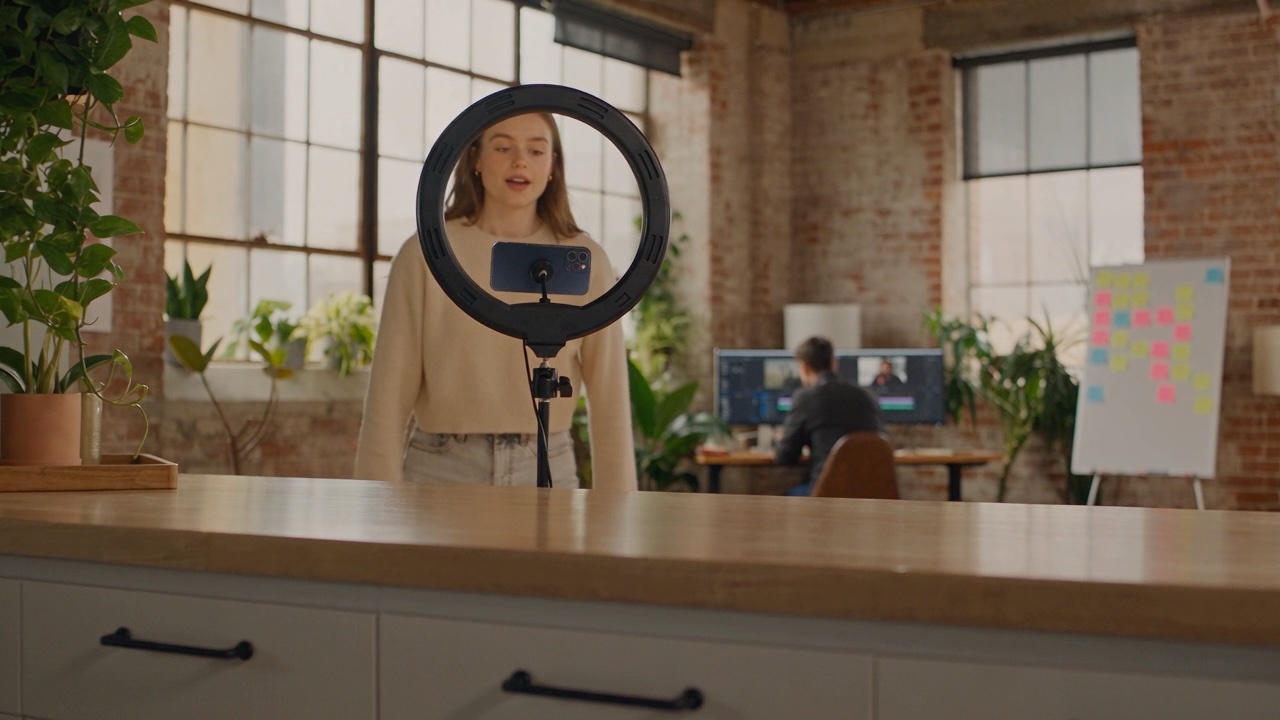
A creator alone with a brief guesses. A creator with a director on the other end of the call does not. hypjam runs every shoot day against the locked script: hooks first, then the five beats, with notes between takes and a shot log that names every clip. Shot on a phone, in a kitchen, and still directed.
Ships to
- + your own site
Every take against the script, every clip named, nothing left to guess.
2
Hooks shot as separate takes per creator
5
Beats directed in every shoot
3
Deliveries recorded of each line
1
Shot log per shoot, named by take
A pre-shoot call, so the first take is not a rehearsal.
Before filming, the creator and the director go through the brief together: the hook shortlist, the beats, the claims, the don'ts, the framing. Ten minutes on a call saves an afternoon of takes.
Brief read together
The one thing, the shortlisted hooks and the must-say claims are read aloud, and the creator says them back.
Framing and light checked
Vertical, eye line, where the window is, what is behind them. Checked on the call, not discovered in the footage.
Product in shot, confirmed
The product is in the creator's hands and the label reads on camera before anyone records.
Hooks first, as their own takes.
The opening line is the most valuable three seconds and the easiest to get wrong, so it is shot first, on its own, two or three ways. The body of the ad comes after, and the edit joins any hook to it.
Two hooks, three deliveries
Each shortlisted hook is recorded as a separate take with two or three readings: flatter, warmer, faster.
First frame directed
No logo, no zoom, no 'hey guys'. The director calls the first frame before the take starts.
Swappable in the edit
Because the hook is its own clip, a new opening never needs a new shoot.
Five beats, with notes between takes.
Problem, discovery, demo, payoff, call to action. Each beat is recorded and reviewed before moving on, with a note if the claim was missed, the product was out of frame or the energy dropped.
Reviewed before the next beat
The director watches the take back and gives one note. Retake or move on, decided there.
Claims checked live
Every must-say claim is ticked off as it is said, so a missing one is a retake now, not an email next week.
Demo shot the way it will be watched
Close on the product, the texture, the pour, the click. The demo beat gets its own framing.
Shot on a phone, on purpose.
No set, no crew, no lighting rig. The rawness is the point: viewers can smell a polished ad from a mile away, and native footage earns the watch time. What we add is direction, not equipment.
The creator's own phone
A recent phone, natural light or a ring light, a tripod or a stand. That is the whole kit.
Clean audio, always
A lapel mic or clean built-in audio is checked on the pre-shoot call. Bad audio is the fastest way to lose a take.
In the place the product lives
Kitchen, bathroom, car, desk. Wherever the product would actually show up, not a backdrop.
Directed remotely, or in the room.
Most shoots are directed over a call while the creator films at home, which is how the footage stays native. Where the brief needs it, a London shoot with the director in the room can be arranged, on the same phone, with the same log.
Remote as standard
The director watches the takes as they land, gives notes and keeps the log. The creator films where they live.
In the room when it earns it
Multi-product days, founder shoots or a demo that needs a second pair of hands can be shot in London with us present.
The same shot log either way
Remote or in person, every clip is named by hook or beat and take, and lands in the same place.
Every clip named before the edit starts.
A shoot that ends as a folder of IMG_4471 files starts the edit with a search. Ours ends with a log: every clip named by hook or beat and take, with the director's pick marked, so the editor opens the shoot knowing what is there.
Named by take
'hook 03 · take 2', 'beat 04 · take 1'. The names on the log are the names on the files.
Picks marked on the day
The director's preferred take of each line is marked before the edit, so the first cut is built from the best material.
Visible on the tracker
Shoot complete, clips logged, edit open. You see the shoot close on the tracker the day it happens.
Built for the problems a shoot day actually has.
Not a film set. hypjam's direction is built around the ways phone shoots go wrong: the take nobody reviewed, the claim nobody said, the audio nobody checked and the folder of clips nobody can name.
Nobody watched the take back
The footage lands a week later and the product was out of frame. Every beat is reviewed before the next one, with one note.
The claim that was never said
A must-say line missed on the day means a reshoot. Claims are ticked off live as they are said, and retaken there.
Good take, bad audio
Wind, a fridge, a phone in a pocket. Audio is checked on the pre-shoot call and on the first take, before anything else.
A folder of IMG_ files
The edit starts with a search instead of a cut. Every clip is named by hook or beat and take, with the pick marked.
How it works
From an approved creator to a logged shoot in one day.
- 01
Pre-shoot call
Brief read back, framing and light checked, product in frame, audio tested. Ten minutes.
- 02
Hooks first
Each shortlisted hook shot as its own take, two or three deliveries, first frame directed.
- 03
Five beats, reviewed
Each beat watched back with one note, claims ticked off live, retakes decided on the spot.
- 04
Logged and sent to edit
Every clip named by take, picks marked, the shoot closed on the tracker and opened in the edit.
Under the hood
Built for a phone shoot, not adapted to it.
Everything about the shoot day is tuned for one person, one phone and a script that has already been agreed.
Kit
A phone
The creator's own phone, natural or ring light, a tripod and clean audio. Checked on the pre-shoot call.
Order
Hooks, then beats
Two hooks as separate takes with three deliveries each, then the five beats, each reviewed before the next.
Notes
One per take
The director gives one note between takes. Claims are ticked off live so a miss is a retake now.
Direction
Remote or in the room
Directed over a call as standard. London shoots with the director present where the brief earns it.
Record
A named shot log
Every clip named by hook or beat and take, the pick marked on the day, visible on the tracker.
Consent
Signed before take 1
The creator's release is signed before filming and covers what is shot that day. Nothing is recorded outside its scope.
Rights“We started hypjam because brands kept hiring creators one by one and nobody was directing the work. We treat UGC like a production: one brief, one team, a script before anyone films, an edit built for the feed.”
Avi Aggarwal
Founder, hypjam · London
FAQ
Questions brands ask about the shoot.
Is the shoot really on a phone?
Yes, on purpose. Native footage is what earns the watch time. A recent phone, good light, a tripod and clean audio are the whole kit; what we add is direction.
Who is directing?
A hypjam director on a call with the creator while they film, or in the room for London shoots where the brief needs it. Either way they hold the script, review every take and keep the shot log.
Can we be on the shoot?
Yes. You can join the call or the room. You can also approve the brief and the shortlist and see the first cut instead, and both work.
What if a take is wrong?
It is retaken on the day. Every beat is watched back before the next one, and must-say claims are ticked off live, so a miss is a retake, not a reshoot.
How long is a shoot?
A single-creator shoot is planned as one session inside the sprint: a ten-minute pre-shoot call, the hook takes, the five beats and the log. Multi-product days run longer and are planned on the brief.
What do we get after the shoot?
Nothing yet, and that is deliberate: the raw clips go straight to the edit with the log and the picks. You see the shoot close on the tracker and the first cut when it is ready.
Watch a shoot day run.
Book a call and we will walk you through a shoot from the pre-shoot call to the logged clips, on your product.
