ServicesBriefing & scripts
The brief that makes the first cut the final cut
Most reshoots are not the creator's fault. They happen because the brief left something open. hypjam writes the brief and the script before anyone films: the one thing the ad has to say, the hook word for word, a beat-by-beat shot list and a short list of things not to do. Two pages, agreed with you, then the shoot.
Ships to
- + your own site
Every ad decided on paper before a creator presses record.
1
Written brief before casting starts
8
Hook options in every script
5
Beats in every shot list
2
Pages, so you actually read it
One thing the ad has to say.
Before the hook, before the creator, one sentence: the pain point, the payoff or the offer this ad exists to land. Every brief opens with it, and everything below it is checked against it. An ad that tries to say five things says none of them.
A single sentence, not a list
We write the core message as one line you can read back to yourself. If it needs a comma and an 'also', it is two ads.
Must-say claims, separated
Pricing, ingredients, results and anything with legal weight are listed word for word, apart from the lines a creator can say their own way.
Checked against the offer
The message is matched to what the landing page actually says before the brief leaves us, so the ad and the page agree.
The hook, written out, not described.
'Start with something attention-grabbing' is a wish, not a hook. Every brief carries the first line, actually written, with alternatives the creator can choose between or riff on. The opening seconds are the only part of the ad we never leave to improvisation.
Eight lines to choose from
Each script ships with eight opening lines across different patterns, so the shoot has real options rather than one bet.
Shortlisted with you
You mark the ones you would run before anyone films. The creator gets the shortlist, not the whole list.
Paired with the platform
A pattern-interrupt line for the For You page, a quieter first-person line for Reels. The brief says which is for where.
A shot list, not a script for every word.
Scripting every syllable produces stiff, obviously scripted content, which defeats the point of UGC. Instead the brief gives the creator five beats to hit and lets them fill in the phrasing around the required claims.
Five beats, every time
Problem, discovery, demo, payoff, call to action. Each beat is a line or two of intent, not dialogue.
Room for the creator's voice
Anything not marked must-say is theirs to phrase. That is what keeps it sounding like a person and not a read.
Length and ratio set per placement
Vertical 9:16, the target length and the pacing note are written in for each platform the ad is going to.
Tone shown, not adjectived.
'Fun, authentic, punchy' gets read five ways by five creators. Every brief links one or two reference videos so tone is a thing you can watch, and lists the do's and don'ts that most often cause a reshoot.
Two references, linked
Yours or a competitor's. A creator watches them once and knows what 'natural' means for your brand.
Do's and don'ts next to the shot list
No visible competitor logos, no unapproved claims, no music with lyrics, no slow zoom on the first frame. Short and specific, on the same page.
Deliverables spelled out
Raw clips or the cut, how many variations, captions burned in or not. Written down so nothing is assumed.
Rights and authorisation, agreed before the shoot.
If the brief does not say whether the fee includes paid use or a Spark Ads code, that conversation happens after the footage lands, which is the most expensive time to have it. Usage, platforms and duration go in the brief and the creator's agreement at the same time.
Usage in the brief, not after
Organic only, whitelisting or a full buyout, the platforms covered and the number of days, on the brief itself.
Authorisation dated
Who generates the Spark Ads code or accepts the partnership invite, and by which date relative to the shoot.
The same terms the creator signed
The brief and the creator release carry identical usage lines, so there is one version of the truth.
Agreed with you, then sent to casting.
The brief is a working document until you sign it off, and a fixed one afterwards. Once agreed it goes to casting with the shortlist of hooks attached, and the tracker shows it move from brief to cast to shoot without you asking.
One round of changes, then locked
You read it, we change it, you sign it off. After that the script does not drift, which is why the first cut usually holds.
Sent to casting with the hooks
Casting starts from the brief, not from a follower count. The creator profile is written into it.
Visible on the tracker
Brief drafted, brief agreed, casting open. Every stage has a date on the live tracker you have access to.
Built for the problems a brief actually has.
Not a form. hypjam's briefs are built around the things that cost a shoot the most: the hook nobody wrote, the claim nobody checked, the tone nobody could describe, and the rights nobody mentioned until the invoice.
The hook was described, not written
'Make it attention-grabbing' turns into eight different openings from eight creators. Ours arrives as a line, with alternatives, before the shoot.
A claim that could not be made
A results line that sounded fine on a call and cannot run as an ad. Must-say claims are listed and checked before they reach a script.
Five creators, five tones
Tone described in adjectives gets interpreted five ways. Two reference videos and a specific don't list keep the batch consistent.
Rights raised after the footage lands
Whitelisting negotiated after the shoot costs more and delays the launch. Usage and authorisation dates are on the brief.
How it works
From a call to a locked script in one week.
- 01
We talk
A thirty-minute call about the product, the offer, the audience and the dates. No deck, no order form.
- 02
We write
The one thing, eight hooks, a five-beat shot list, must-say claims, references and the don'ts. Two pages.
- 03
You mark it up
One round of changes, then sign-off. The script is fixed from here so the shoot does not drift.
- 04
It goes to casting
The agreed brief and the hook shortlist go to casting the same day, and the tracker shows it move.
Under the hood
Built for a phone shoot, not adapted to it.
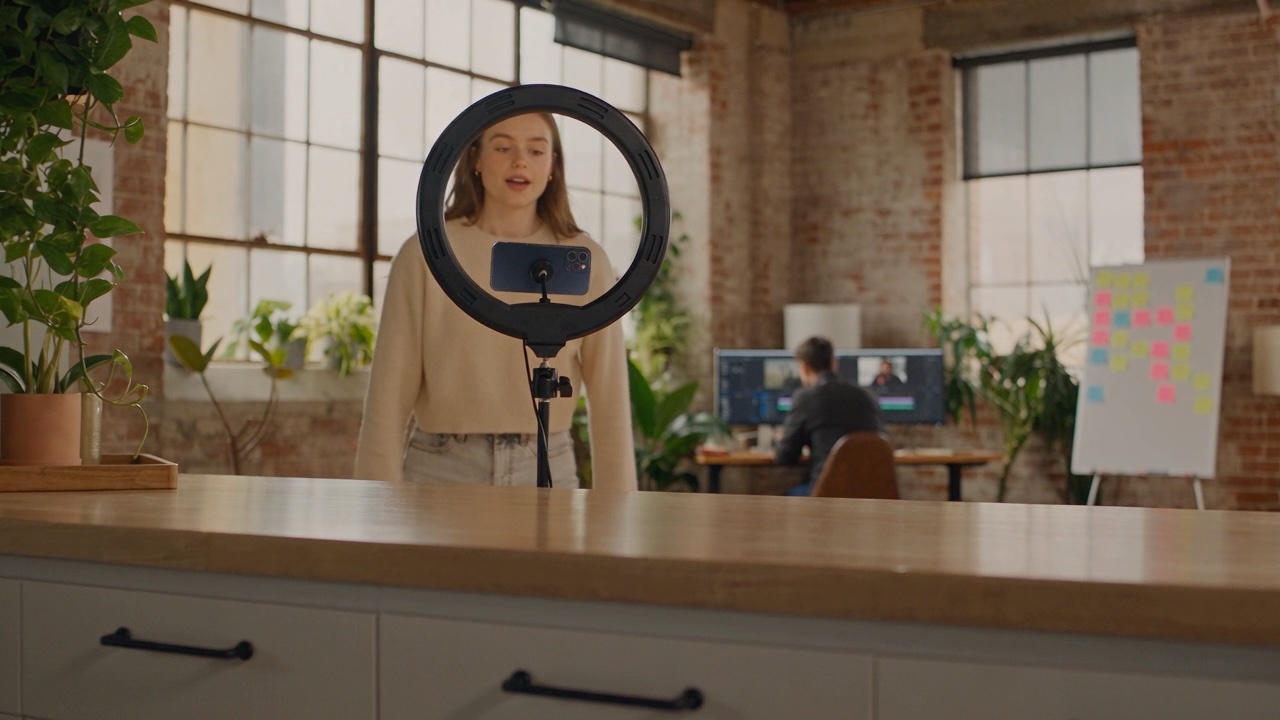
Every part of the brief is tuned for how UGC is actually made: one person, one phone, a kitchen, and a first line that has to earn the next three seconds.
Length
Two pages
Long enough for the hook, beats, claims, references and don'ts. Short enough that a creator reads all of it before filming.
Hooks
Eight per script
Written across different patterns, shortlisted with you, and shot as separate takes so a hook can be swapped in the edit.
Structure
Five beats
Problem, discovery, demo, payoff, call to action. Intent per beat, phrasing left to the creator except where a claim is fixed.
Claims
Must-say, listed
Anything with legal or compliance weight is written word for word and checked against your landing page before sign-off.
Platforms
Written in
Ratio, length and pacing per placement: TikTok, Reels, Shorts, Snapchat, Pinterest and Meta ads each get their own note.
Rights
On the brief
Scope, platforms and duration of use sit on the brief and the creator's signed release, with authorisation dates.
Rights“We started hypjam because brands kept hiring creators one by one and nobody was directing the work. We treat UGC like a production: one brief, one team, a script before anyone films, an edit built for the feed.”
Avi Aggarwal
Founder, hypjam · London
FAQ
Questions brands ask before the first brief.
Do I have to write anything myself?
No. You tell us about the product, the offer and the audience on a call, and we write the brief. You read it, mark it up once and sign it off.
How long does a brief take?
A draft after the call, one round of changes, then sign-off, with the dates agreed on the call. It runs to two pages.
Is the script written word for word?
Only where it has to be. The hook and any must-say claims are exact. The rest is a five-beat shot list the creator phrases in their own words, which is what keeps it sounding like a person.
Can we use our own brief?
Yes. We will fold it into our template so the hook, beats, claims, references, don'ts, deliverables and usage terms are all in one place before the shoot.
What if we change our mind after sign-off?
Small changes before the shoot are fine. After the shoot a new hook or claim means new footage, and we will tell you plainly what it costs before doing it.
Does the brief cover usage rights?
Yes. Scope of use, the named platforms and the number of days sit on the brief and mirror the creator's signed release, so nothing is negotiated after the footage lands.
See your brief written.
Book a call and tell us what you are launching. We will come back with the one thing, the hooks and the shot list for it.
