ServicesHook writing
The first three seconds, written eight ways
A hook is the line or moment that decides whether anyone sees the rest of the ad. It matters more than the product shot, the edit or the caption, because none of those get seen if it fails. hypjam writes eight hooks for every script, across different patterns, shortlists them with you and shoots them as separate takes so the opening can change without a reshoot.
Ships to
- + your own site
Eight opening lines for every script, and two that go to the shoot.
8
Hooks written per script
6
Hook patterns we write across
27
Hooks in our published playbook
2
Picked with you before the shoot
Written as a line, not a vibe.
Creators improvise better from a strong first line than from 'be natural'. Every hook we hand over is an actual sentence a person can say, timed to land inside three seconds, with a note on what not to do in the first frame.
The exact opening line
No 'something attention-grabbing'. A sentence, written for speech, that a creator can deliver like a thought.
A first-frame note
No logo reveal, no 'hey guys', no slow zoom. Most weak hooks fail on pacing, not the idea, so the note is on the line.
One idea per hook
A curiosity hook does not also try to be a comparison. Each line does one job so the test tells you something.
Six patterns, so the eight are not the same line.
Curiosity, problem-first, social proof, pattern interrupt, POV and comparison. Each script draws on several of them, because eight variations of one idea is one test, not eight.
Curiosity and problem-first
Open a loop the viewer wants closed, or name the frustration so they self-select before they know what you sell.
Social proof and pattern interrupt
Borrow trust from a wave of adoption, or break the feed's rhythm with a visual or a line that does not belong.
POV and comparison
Put the viewer in the moment, or stack the product against what they use now. Both are written to the platform they run on.
Shortlisted with you before anyone films.
You see all eight with a one-line note on why each one exists and where it would run. You mark the ones you would actually put spend behind. The creator gets that shortlist, and the shoot is planned around it.
A note on every line
Which pattern it is, which placement it suits and which claim it leads to, so choosing is quick.
Two go to the shoot as standard
Two hooks per creator is the default; more can be added to a shoot day if the brief calls for it.
Compliance read before the list
A hook that implies a result we cannot support does not reach the shortlist.
Shot as separate takes.
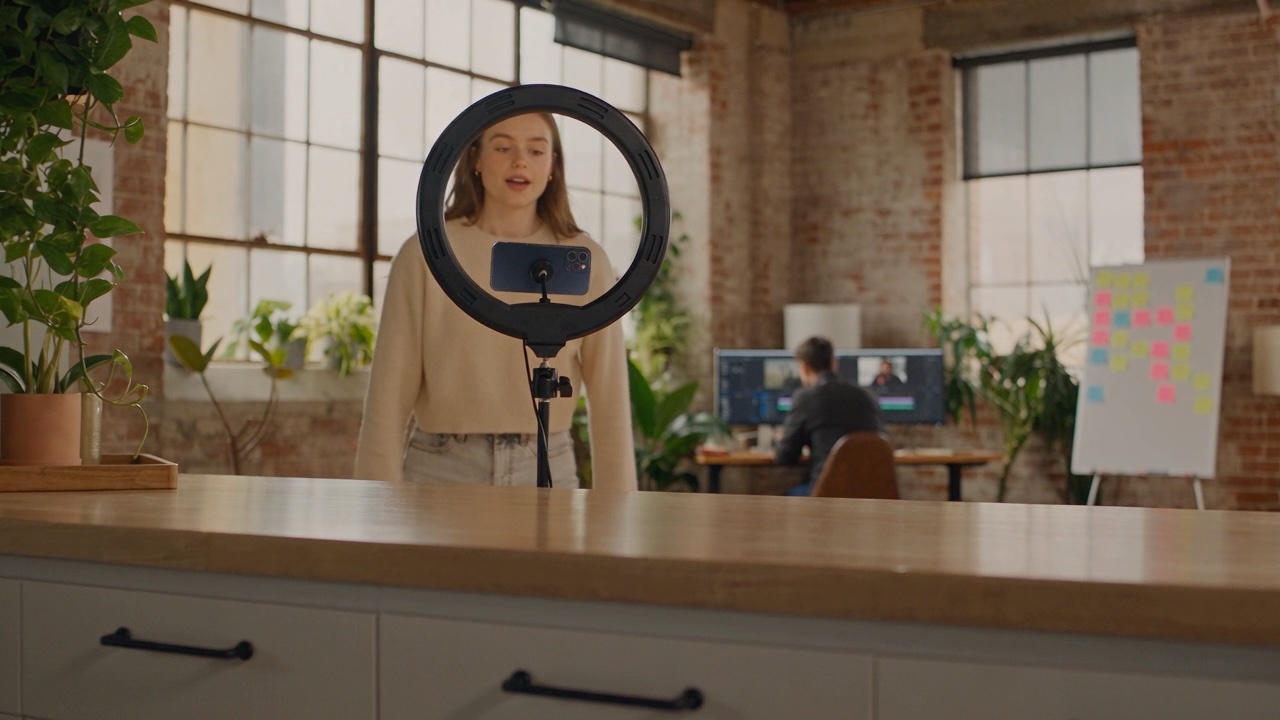
The opening line is filmed on its own, then the body of the ad. That means one shoot produces several ads with different openings, and a hook that under-performs can be swapped in the edit rather than reshot.
Hook takes first
Each shortlisted hook is recorded as its own take, with two or three deliveries, before the beats.
Same body, different opening
The edit joins any hook to the same beats, so you get testable variations from one booking.
Logged by number
Every hook take is named on the tracker ('hook 03 · take 2') so the editor and you can find it.
Written for the placement.
A pattern-interrupt hook suits the For You page. A POV hook fits the more composed feed on Reels. A Short needs to land faster than a Pinterest pin. Each hook carries the placement it was written for.
Platform on every line
TikTok, Reels, Shorts, Snapchat, Pinterest or Meta ads, named next to the hook rather than assumed.
Timing to the placement
The first line is timed to the platform's skip point, and the pacing note says how fast the first cut should come.
Captions considered from the start
A hook that reads well as an on-screen caption is written that way, because much of the feed is watched on mute.
Read, kept and fed into the next brief.
After a batch runs, the hooks that held attention and the ones that did not go into the debrief, by pattern. The next script starts from what worked, not from a blank page.
Hook rate, by hook
The three-second view rate is read per opening line, so a weak hook rate points at the line, not the product or the creator.
Patterns that repeat
If problem-first lines keep winning for your brand, the next eight lean that way. If comparison keeps losing, we stop writing it.
A library that is yours
Every hook we write for you stays in your brief history. Nothing is reused for another brand.
Built for the problems a hook actually has.
Not a list of clickbait. hypjam's hooks are built around the ways an opening fails: it was never written, it tried to say everything, it was read aloud, or it was the same line eight times.
Scrolled past in the first second
A logo, a slow zoom or 'hey guys' and the viewer is gone. Every hook has a first-frame note and is timed to the placement's skip point.
Eight versions of the same idea
Variations on one line are one test. Our eight draw on six patterns so the batch tells you which kind of opening works for you.
It sounds read aloud
A hook written for the page dies in the mouth. Ours are written for speech and briefed with delivery notes, then recorded two or three ways.
A weak opening means a reshoot
When the hook is baked into one long take, changing it means booking the creator again. Ours are separate takes, swapped in the edit.
How it works
From a brief to a shortlist in one pass.
- 01
We read the brief
The one thing, the audience and the must-say claims set which patterns make sense for this ad.
- 02
We write eight
Across at least three patterns, each with a placement, a timing note and a first-frame don't.
- 03
You pick two
You mark the lines you would put spend behind. We add a compliance read and lock the shortlist.
- 04
They are shot as takes
Each hook is filmed on its own, logged by number, and joined to the beats in the edit.
Under the hood
Built for the feed, not adapted to it.
Every hook is written for a vertical screen, a thumb that is already moving and a viewer who has not turned the sound on.
Volume
Eight per script
Enough to test a few patterns from one shoot without writing filler. Two go to the shoot as standard.
Patterns
Six
Curiosity, problem-first, social proof, pattern interrupt, POV and comparison. The playbook of 27 is published on the blog.
Timing
Inside 3 seconds
Each line is written to land before the placement's skip point, with a note on where the first cut should come.
Delivery
Spoken, then captioned
Written for speech, recorded two or three ways, and checked as an on-screen caption for viewers on mute.
Production
Separate takes
Hooks are filmed apart from the beats, so one booking yields several openings and no hook needs a reshoot.
Claims
Read before the list
A hook that implies a result we cannot support, or breaks ad disclosure rules, does not reach the shortlist.
Rights“We started hypjam because brands kept hiring creators one by one and nobody was directing the work. We treat UGC like a production: one brief, one team, a script before anyone films, an edit built for the feed.”
Avi Aggarwal
Founder, hypjam · London
FAQ
Questions brands ask about hooks.
Why eight hooks and not one?
One hook is one bet. Eight across several patterns lets the shoot carry two and the edit swap them, so the first batch tells you which kind of opening works for your brand.
Do creators have to say the hook word for word?
The idea and the timing are fixed; the delivery is theirs. We record two or three deliveries of each shortlisted hook and pick the one that sounds least like reading.
Can we write our own hooks?
Yes. Send them and we will fold them into the eight, give each a pattern and placement note, and shortlist them alongside ours.
What happens if a hook does not work?
Because hooks are shot as separate takes, a new opening is an edit, not a reshoot. The debrief says which patterns held and the next script starts from those.
Do hooks change by platform?
Yes. A line for the For You page is not the same as a line for Reels or a Short. Each hook names the placement it was written for and is timed to it.
Are hooks checked for claims?
Every shortlisted hook gets a compliance read against the must-say claims and UK ad disclosure rules before it goes to the shoot.
Read eight hooks for your product.
Book a call and tell us what you are launching. We will write the first eight and show you which two we would shoot.
